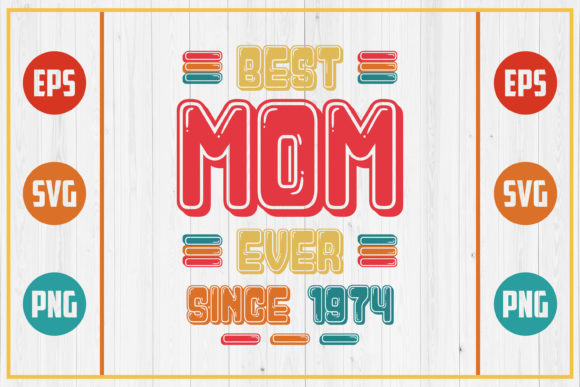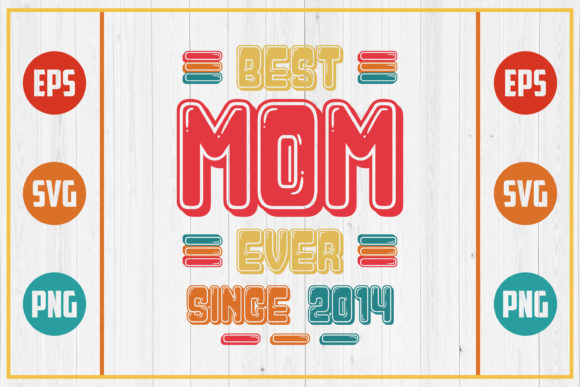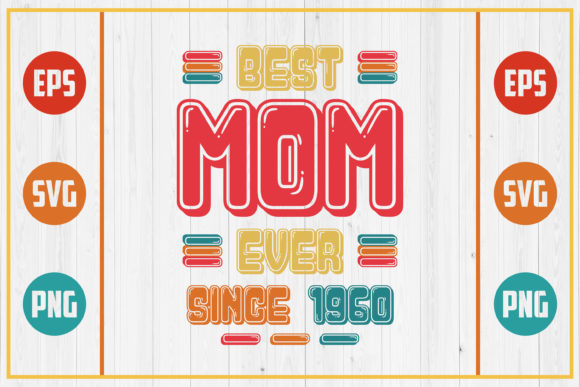
Best Mom Ever Since 1965: A Designer’s Honest Take for Real Embroidery Use
First Impressions: A Vintage Vibe with Timeless Appeal
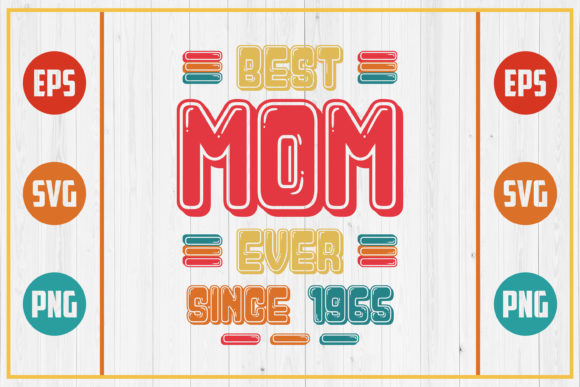
When I first opened the Best Mom Ever Since 1965 embroidery design file, I immediately thought of retro charm and warm nostalgia. The layout is clean, centered, and slightly playful, with a classic font that feels like it belongs in a 60s scrapbook. The design balances typography and subtle graphics—like hearts or stars—without feeling cluttered. It's the kind of design that makes you smile before you even stitch it out.
As an embroidery designer, I can see this design working well for a variety of handmade and personalized products. It’s got that “just right” mix of vintage flair and modern readability. Whether it's for a birthday gift, Mother’s Day keepsake, or a boutique-style tote, this design feels like it belongs in a range of creative contexts.
Real-World Embroidery Scenarios: Where This Design Shines
I tested the Best Mom Ever Since 1965 design across several common embroidery applications. I stitched it onto a cotton tote bag, a soft cotton-blend sweatshirt, and a linen kitchen towel. Each time, the design held up beautifully. The lettering remained crisp, and the small graphic elements stitched out clearly without distortion.
- Custom Apparel: On a sweatshirt, the design looked cozy and personal—perfect for a gift or small batch Etsy listing.
- Baby Items: I stitched it onto a baby onesie, and the result was sweet without being too flashy. The font size and spacing worked well for small garments.
- Tote Bags & Kitchen Towels: These were the standout uses. The design looked clean and professional, with enough character to make each piece feel handmade but not amateur.
- Holiday & Wedding Gifts: Paired with a minimalist background fabric, this design elevates the gift-giving experience, especially when paired with a thoughtful note or packaging.
Where to Be Cautious: Fabric, Fit, and Fine Details
While the Best Mom Ever Since 1965 design is versatile, there are a few situations where I’d recommend extra care. On dark fabrics, for instance, the light-colored lettering looked a bit washed out in my first test. I had to adjust thread contrast to make it pop more. Similarly, on stretchy knits, I noticed a slight distortion in the satin stitch corners unless I used a quality stabilizer underneath.
Here are a few more considerations:
- Small hoop sizes: If you're working with a limited hoop area, check if the full design fits without clipping or distortion.
- Curved surfaces: Caps and curved pillow covers may require extra tension or hoop adjustments to maintain clarity.
- Detailed corners: The small stars and hearts can get lost if the thread color blends too much with the fabric.
- Frequent washing: Dense satin stitches may stiffen over time. Consider using soft embroidery threads or a lighter stitch density if the item will be laundered often.
Visual Appeal and Customer Perception
From a design perspective, the Best Mom Ever Since 1965 strikes a great balance between personality and professionalism. It’s not overly whimsical, but it still feels warm and heartfelt. That makes it ideal for small business owners and Etsy sellers who want to maintain a cohesive brand look while offering personalized options.
I found that the design elevated the perceived value of the finished product. On a plain tote, it transformed the item from generic to boutique-style. For a custom gift, it added a touch of sincerity that customers appreciate. It also holds up well in digital mockups, which is important for sellers who use printable mockups or digital previews in their listings.
Practical Notes for Embroidery Designers
Before stitching out the Best Mom Ever Since 1965 design in a client project or for resale, here are a few steps I recommend taking:
- Test on scrap fabric first: Especially if you're using a new stabilizer or unfamiliar thread.
- Check thread color contrast: Try a few combinations before committing to the final product.
- Review stitch density: Adjust if needed for softness or durability, especially for baby items or frequently worn apparel.
- Confirm hoop size: Make sure the design fits within your machine’s hoop without distortion.
- Inspect small details: The stars and hearts may need a quick visual check post-stitch to ensure they’re fully formed.
- Test in black and white mockups: This helps visualize how it might look on different fabric tones.
- Compare light and dark fabric backgrounds: As I found, the same thread color can look very different depending on the base fabric.
- Use proper stabilizer: Especially important for stretchy or thin fabrics to prevent puckering.
- Confirm licensing: If you’re selling finished items or digital products, make sure the design allows for commercial use.
Final Thoughts: A Solid Choice for Real Embroidery Projects
The Best Mom Ever Since 1965 is a design that works well beyond its nostalgic charm. It’s versatile, readable, and adaptable to a wide range of embroidery applications. Whether you're a small shop owner, Etsy seller, or just making gifts for loved ones, this design delivers both emotional impact and professional finish.
As a designer, I appreciate when a digital embroidery file like this one feels like a reliable tool—something that can be stitched confidently across different projects without surprises. It’s not overly complex, which makes it accessible to hobbyists, but still polished enough for commercial use.
If you're looking for a heartfelt, vintage-inspired embroidery design that performs well in real-world stitching, the Best Mom Ever Since 1965 is definitely worth adding to your digital embroidery file collection.