Best Mom Ever Since 1960: A Designer’s Real-World Embroidery Review
First Impressions: A Nostalgic, Timeless Design
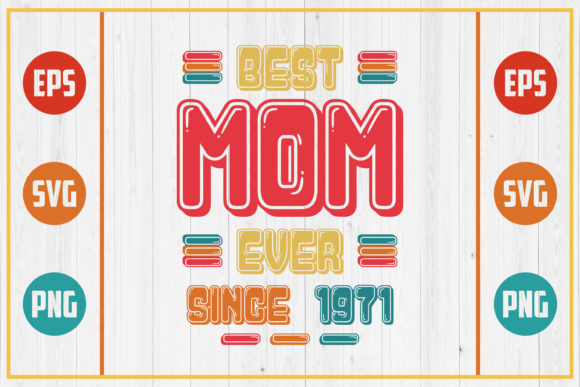
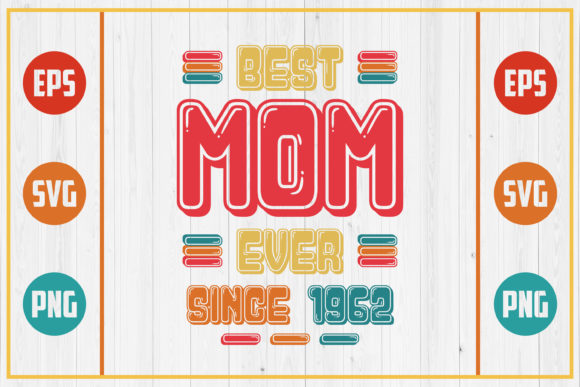
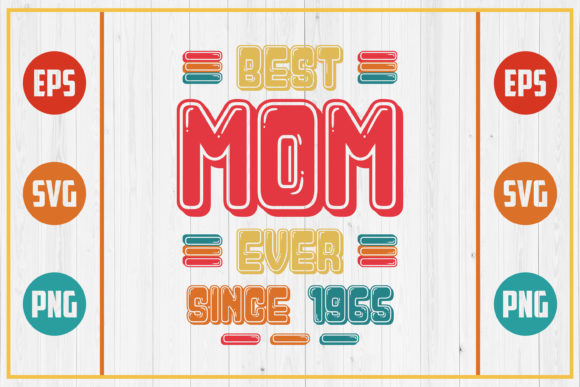
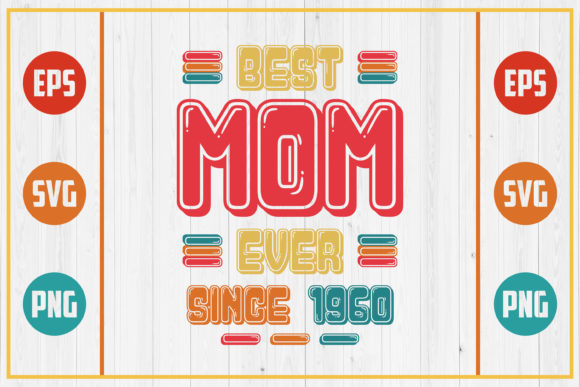
Opening the Best Mom Ever Since 1960 SVG file, I was struck by its warm, vintage charm. The design feels like a loving nod to mid-century motherhood, blending a retro aesthetic with a modern digital format. The typography is bold and legible, with a subtle decorative border that adds personality without overwhelming the text. It’s a design that speaks directly to the heart — perfect for custom gifts or boutique-style merchandise where sentimentality plays a big role.
From a visual standpoint, the layout is balanced and clean. There’s no unnecessary fluff or over-the-top embellishments. That’s a plus for embroiderers who appreciate simplicity and clarity in machine embroidery designs. It’s the kind of graphic that works well across a variety of products, from tote bags to baby onesies, without needing much tweaking.
Real-World Use: How It Performs in Embroidery Projects
I tested the Best Mom Ever Since 1960 design on a few different fabric types to get a sense of its versatility. Starting with a medium-weight cotton tote bag, the design stitched out cleanly with minimal thread pull. The lettering held up well, even in smaller areas like the “0” in 1960, which can often get distorted in embroidery.
Next, I tried it on a brushed fleece sweatshirt — a common request for custom apparel. The texture of the fabric added a softness to the overall look, but the design still read clearly. I did notice that the satin stitch around the border picked up more texture than usual, so it’s worth considering a lighter stitch density if you’re working with fuzzy or plush materials.
When applied to a baby onesie, the design looked sweet and understated. I used a lightweight stabilizer to prevent puckering, and it worked well. This makes Best Mom Ever Since 1960 a solid contender for baby embroidery or nursery decor — especially for Etsy sellers or crafters targeting new moms.
Where It Shines: Best Use Cases and Product Types
This embroidery design really comes into its own on personalized gifts and boutique-style items. Here’s where I found it to be most effective:
- Custom tote bags – Great for Mother’s Day or birthday gifts
- Embroidered sweatshirts – Perfect for a cozy, sentimental look
- Baby clothes and burp cloths – Adds a soft, meaningful touch
- Aprons and kitchen towels – Ideal for a handmade, rustic vibe
- Personalized pillow covers – Works well in both modern and vintage home decor
- Wedding or bridal shower gifts – Especially for the “mom of the bride”
- Digital mockups for Etsy sellers – Easy to preview and market
It’s also a good fit for small business merchandise — think boutique branding or small shop aprons. The design has enough personality to stand out but remains professional enough for commercial use.
Where to Use It Carefully: Fabric, Placement, and Detail Considerations
While Best Mom Ever Since 1960 is versatile, there are a few scenarios where you’ll need to proceed with caution:
- Small hoop sizes – The design may need scaling down, which could compromise detail
- Textured fabrics – Like denim or corduroy, which can distort satin stitch
- Stretchy materials – May cause lettering to warp if stabilizer isn’t used
- Dark fabric backgrounds – Be mindful of thread color contrast
- Curved surfaces (e.g., caps) – The border may not align cleanly
- Detailed corners – The year “1960” requires precision in tight spaces
- Dense stitch areas – Could cause stiffness on soft garments
- Frequent-wash items – Test durability before selling
For best results, always test the design on scrap fabric first, especially when using it for the first time. Pay attention to stitch density and thread color choices — a mismatch can make the design look washed out or too busy.
Impact on Product Appeal and Customer Engagement
One of the standout features of Best Mom Ever Since 1960 is how it enhances the emotional value of a product. Whether you’re making a custom embroidered gift or a boutique-style item, this design adds a personal, nostalgic touch that resonates with buyers.
From a visual appeal standpoint, the design is clean and professional. It elevates the handmade presentation of items like tote bags and sweatshirts, giving them a more polished, finished look. This helps build customer trust — especially for Etsy sellers or small shop owners trying to compete in a crowded market.
It also contributes to brand consistency. If you sell sentimental or gift-oriented handmade items, having a go-to embroidery design like this one ensures your product line feels cohesive and intentional.
Practical Notes for Embroidery Designers and Sellers
Here are a few key takeaways and tips for using Best Mom Ever Since 1960 effectively:
- Test on scrap fabric – Especially if you’re unfamiliar with the SVG format or file scaling
- Check thread color contrast – Try it in both light and dark palettes
- Review stitch density – Avoid overly tight fills that could pucker fabric
- Confirm hoop size compatibility – Before stitching on a finished product
- Inspect small details – Like the serifs on the “6” and “0”
- Use proper stabilizer – Especially for stretchy or textured materials
- Test in black and white mockups – To see how it reads without color distraction
- Compare light and dark fabric backgrounds – To ensure readability and visual balance
- Check licensing terms – Before selling finished items or digital product previews
- Confirm file compatibility – With your embroidery machine and software
As a digital embroidery file, it’s important to understand the limitations of SVG files in embroidery software. You may need to convert or adjust the design slightly depending on your machine’s requirements. Make sure to double-check the hoop size and stitch count if those details are included in the .zip file — they’ll help you determine whether the design fits your intended project.