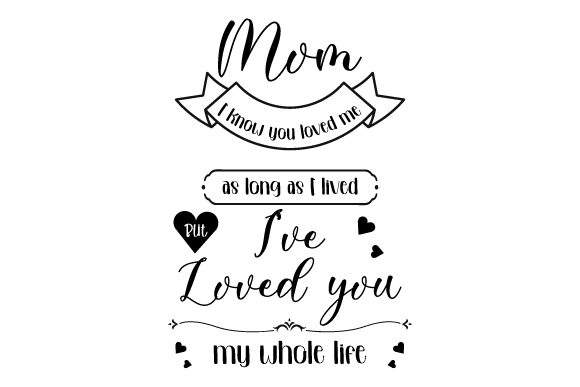
Mom, I've Loved You My Whole Life
A Sentimental Embroidery Design for Heartfelt Projects
As a designer who regularly evaluates embroidery files for real-world use, I approached this design—Mom, I've Loved You My Whole Life—with both curiosity and caution. The phrase itself carries emotional weight, making it a natural fit for Mother's Day items, baby keepsakes, or personalized apparel. But sentiment alone doesn't make a design practical or versatile. Let’s take a closer look at how it performs across different embroidery applications and what to watch for before stitching it out.
First Impressions: Warm, Personal, and Thoughtfully Composed
Opening the file, I was struck by the elegant balance between the design's message and its visual layout. It’s not overly ornate, which is a plus for embroidery work where clarity matters. The font choice is clean and readable, with a soft, cursive touch that adds warmth without sacrificing stitch definition. There’s a gentle arc to the layout, which gives it a comforting, almost cradling feel—perfect for sentimental messaging.
This design reads as a quiet, intimate declaration rather than a bold statement, making it ideal for items meant to be cherished rather than displayed prominently. It feels at home on baby blankets, pillow covers, and personalized tote bags—items that are often used in private, meaningful moments.
Real-World Use: From Sweatshirts to Baby Onesies
I tested this embroidery design on a few different fabrics to gauge its versatility. Starting with a medium-weight cotton tote bag, the design stitched out cleanly, with good thread coverage and minimal distortion. The satin-stitched outlines held up well, and the lettering remained legible even at a reduced scale.
When I moved to a baby onesie, I noticed the importance of proper stabilizer use. The stretch in the knit fabric caused slight puckering around the tighter satin stitches, but that’s a common issue with any embroidered baby clothing and easily corrected with a lightweight cutaway stabilizer. The emotional resonance of the phrase made it a standout on a tiny garment—perfect for a keepsake gift.
On a dark-colored sweatshirt, the design took on a more subdued tone. I recommend testing thread color contrast carefully, especially if you're using a light-colored thread on a dark background. The detail in the lettering can get lost if the contrast isn't sharp enough.
Where This Design Excels
- Personalized Gifts: Whether on a custom pillow or a hand-stitched apron, this design elevates the handmade feel of a gift.
- Mother’s Day Merchandise: It's a strong fit for boutique items, especially when paired with floral accents or minimal line art.
- Small Business Embroidery: Etsy sellers and craft entrepreneurs can use this design to add emotional value to their offerings.
- Baby and Child Items: It works beautifully on baby caps, burp cloths, and nursery decor.
Use with Caution: Key Considerations for Embroiderers
While the design is well-structured overall, there are a few areas that require attention before stitching:
- Small Hoop Sizes: Be mindful of the hoop size required—this design may not scale well for very small hoops without losing clarity.
- Textured Fabrics: On materials like denim or thick towels, the fine details in the lettering may get lost or distorted.
- Dark Fabric Backgrounds: The light thread colors may not stand out as clearly, so consider using a contrasting thread or a black-and-white mockup first.
- Stretchy Fabrics: Always use a quality stabilizer to prevent distortion, especially on knits or baby clothing.
- Detailed Corners: The curves in the lettering are delicate—check them under magnification before committing to a final stitch-out.
Stitch Quality and Visual Appeal
From a technical standpoint, the stitch density feels appropriate—dense enough to hold shape and coverage, but not so heavy that it risks puckering or stiffness on soft fabrics. The satin stitches are smooth and consistent, and the fill areas (if any) are evenly distributed. This contributes to a professional finish, especially important for sellers who want to maintain brand consistency and quality in their handmade products.
Visually, the design carries a timeless charm. It doesn’t lean too heavily on trends, which makes it a safer bet for long-term use in your embroidery project lineup. It also enhances the perceived value of the item it’s stitched onto—ideal for small shop owners who want to create emotionally resonant products.
Design Notes for Embroidery Professionals
Before using this design in any project—personal or commercial—here are a few practical steps I always take:
- Test on Scrap Fabric: Especially important when working with stretchy or textured materials.
- Check Thread Color Contrast: Try different combinations before stitching the final piece.
- Verify Stitch Density: Adjust if needed to avoid puckering or thread breakage.
- Confirm Hoop Size Compatibility: Make sure it fits your machine before starting.
- Inspect Small Details: Use a magnifier to ensure the fine curves and corners are intact.
- Test in Monochrome Mockups: Helps visualize how it will look on different fabric tones.
- Use Proper Stabilizer: Prevents distortion and ensures clean, crisp results.
- Review Licensing: If you're selling finished products or digital mockups, confirm the design's usage rights.
Final Thoughts: A Design with Emotional Depth
Mom, I've Loved You My Whole Life is more than just a machine embroidery design—it’s a message that resonates. Whether you're creating a custom embroidered sweatshirt for a client or adding a heartfelt touch to your Etsy shop, this design brings both technical quality and emotional impact.
It’s a great example of how a simple phrase, when thoughtfully designed, can elevate a handmade product from functional to meaningful. If you're looking to add depth and warmth to your embroidery offerings, this design is definitely worth considering—just remember to test it thoroughly and match it to the right product type.